
Introduction
Technology is no longer limited to smartphones and computers. Today, many digital tools are designed to be worn directly on the body. From smartwatches to fitness trackers, wearable technology has become part of daily life for millions of people around the world.
But what exactly is wearable technology? How does it work? And why has it become so popular?
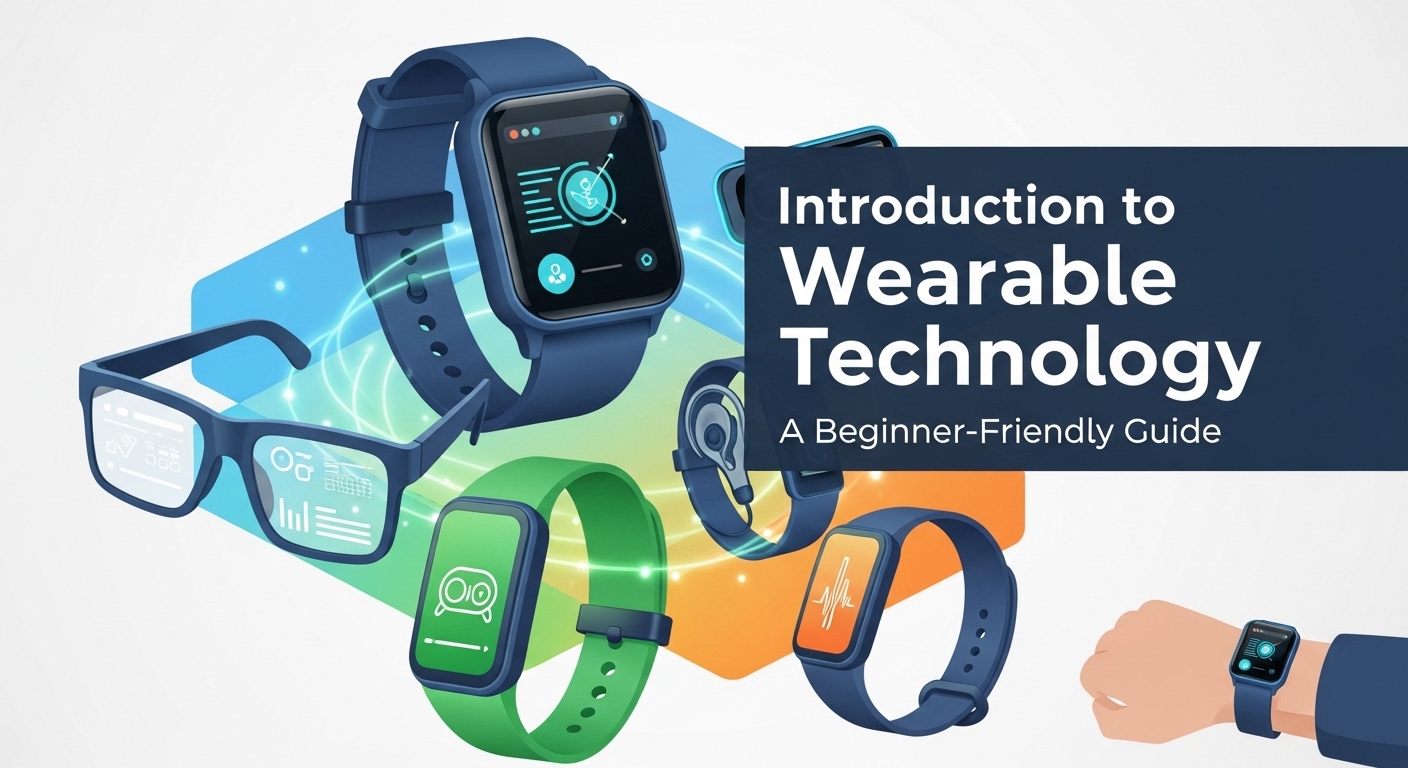
In this guide, we will explore the basics of wearable technology, the different types of devices available, how they function, and the practical benefits they offer.
What Is Wearable Technology?
Wearable technology refers to electronic devices that are designed to be worn on the body. These devices typically include sensors, software, and wireless connectivity that allow them to collect and transmit data.
Unlike traditional gadgets, wearable devices are meant to operate continuously while being lightweight and comfortable. Most are powered by rechargeable batteries and connect to smartphones or computers through Bluetooth or Wi-Fi.
In simple terms, wearable technology brings computing closer to the human body.
Common Types of Wearable Devices
Wearable technology comes in several forms. Some of the most common include:
1. Smartwatches
Smartwatches combine traditional watch features with digital capabilities. They can display notifications, track activity, monitor heart rate, and run apps.
2. Fitness Trackers
Fitness trackers are designed mainly for health and activity monitoring. They track:
-
Steps taken
-
Calories burned
-
Sleep patterns
-
Heart rate levels
3. Smart Glasses
Smart glasses provide digital information through a small display integrated into eyewear. Some models are used in industrial settings for hands-free instructions.
4. Health Monitoring Devices
These include wearable ECG monitors, blood oxygen sensors, and other medical-support tools. They are often used to track long-term health data.
5. Wearable Cameras
Small cameras worn on clothing or helmets are used for recording activities, sports, or professional documentation.
Each type serves a different purpose, but all share the core idea of being worn while functioning as a smart device.
How Wearable Technology Works
Wearable devices rely on a combination of hardware and software components.
Sensors
Sensors collect real-time data from the body or surrounding environment. For example:
-
Motion sensors detect movement
-
Optical sensors measure heart rate
-
Temperature sensors monitor body heat
Microprocessors
A small internal processor analyzes the collected data and converts it into readable information.
Connectivity
Most wearable devices connect to smartphones through Bluetooth. Data is then synced to apps where users can review reports, charts, and trends.
Software Applications
Mobile apps or cloud platforms store and interpret the data, making it easier for users to understand their activity or health metrics.
This combination of sensors, processing power, and connectivity allows wearable devices to operate efficiently in everyday situations.
Benefits of Wearable Technology
Wearable technology offers practical advantages in daily life.
1. Health Awareness
Many people use wearable devices to monitor heart rate, sleep, or daily activity. This can help users better understand their routines and habits.
2. Convenience
Notifications, calls, and reminders can be viewed without needing to check a phone constantly.
3. Productivity
Some wearable tools support hands-free communication, which is useful in professional environments.
4. Data Tracking
Over time, wearable devices build data history, allowing users to notice patterns or changes in activity levels.
While these benefits are useful, it’s important to remember that wearable devices are tools for information—not replacements for professional medical advice.
Limitations and Considerations
Like any technology, wearable devices have limitations.
-
Battery life may require daily or frequent charging.
-
Accuracy can vary depending on device quality.
-
Data privacy is an important consideration when syncing to apps or cloud platforms.
-
Some devices may feel uncomfortable during extended use.
Users should review device specifications and privacy settings before using any wearable technology regularly.
Wearable Technology in Different Industries
Wearables are not limited to personal use. They are increasingly used in:
-
Healthcare monitoring
-
Sports performance analysis
-
Workplace safety
-
Manufacturing and logistics
-
Education and training simulations
For example, smart glasses can help technicians follow repair instructions without using their hands, improving efficiency in industrial environments.
The Future of Wearable Technology
Wearable technology continues to evolve. Improvements in battery efficiency, sensor accuracy, and miniaturization are making devices smaller and more powerful.
Future developments may include:
-
Advanced biometric tracking
-
Better integration with artificial intelligence
-
Expanded use in healthcare monitoring
-
Improved augmented reality experiences
As technology advances, wearable devices are likely to become more integrated into everyday life.
Conclusion
Wearable technology represents a natural extension of modern digital tools. By combining sensors, connectivity, and compact design, these devices provide users with convenient access to information and real-time data.
From fitness tracking to workplace productivity, wearable devices offer practical applications across many areas of life. While they are not without limitations, their continued development suggests they will remain an important part of the technology landscape.
Frequently Asked Questions (FAQ)
1. Is wearable technology safe to use?
Most wearable devices are safe when used according to manufacturer guidelines. Users should follow instructions and maintain proper device care.
2. Do wearable devices store personal data?
Yes, many wearable devices collect activity or health data. Reviewing privacy settings is recommended before use.
3. Can wearable technology replace medical equipment?
Wearable devices can support health monitoring but should not replace professional medical equipment or advice.
4. Do wearable devices require internet access?
Many devices sync data through a smartphone connection. Some features may require internet access for full functionality.