Introduction
When it comes to replacing parts in vehicles, machinery, or equipment, you may often hear the terms OEM and aftermarket parts. Understanding the difference is crucial for making informed decisions that balance quality, cost, and performance.
In this guide, we’ll explain what OEM and aftermarket parts are, their pros and cons, and how to choose the best option for your needs.
What Are OEM Parts?
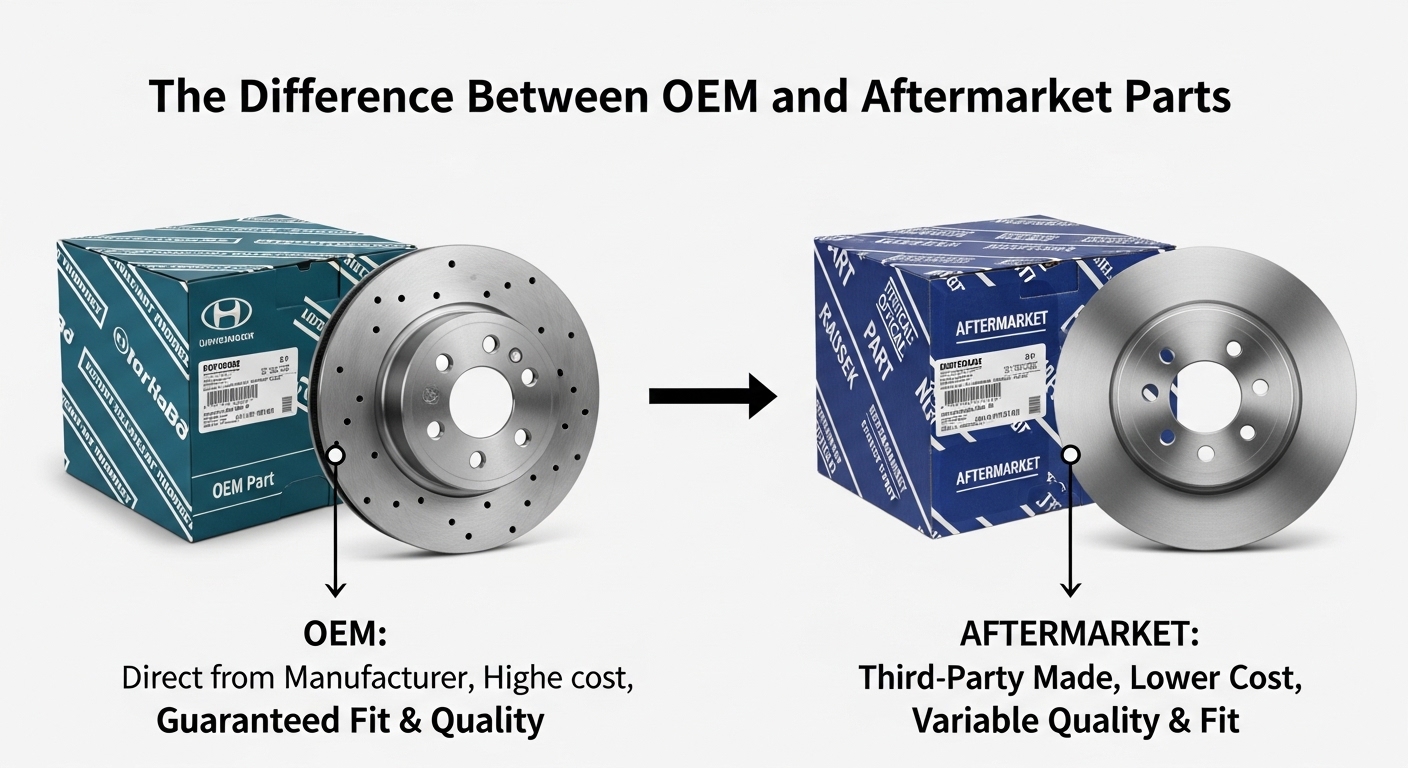
OEM stands for Original Equipment Manufacturer. These parts are produced by the same company that made the original components of your vehicle or equipment.
Key points about OEM parts:
-
Made to exact specifications of the original product
-
Guaranteed compatibility with your machine or vehicle
-
Often come with a manufacturer warranty
-
Typically more expensive than aftermarket alternatives
What Are Aftermarket Parts?
Aftermarket parts are produced by third-party companies that are not the original manufacturer. They are designed to fit a wide range of models and often provide alternative solutions.
Key points about aftermarket parts:
-
Can be cheaper than OEM parts
-
May offer additional features or improved designs
-
Quality varies depending on the manufacturer
-
Availability is usually higher and replacement is faster
Advantages of OEM Parts
Using OEM parts can be beneficial in several situations. Here’s why:
-
Guaranteed Fit: Designed specifically for your vehicle or equipment
-
Consistent Quality: Matches the performance of the original components
-
Warranty Coverage: Often included in manufacturer or dealership warranties
-
Long-Term Reliability: Reduces risk of compatibility issues
Advantages of Aftermarket Parts
Aftermarket parts can also be a smart choice depending on your priorities:
-
Lower Cost: Generally more affordable than OEM parts
-
More Options: Variety of brands and materials to choose from
-
Innovation: Some aftermarket parts are designed to improve performance
-
Availability: Easier to find locally or online, especially for older models
How to Choose Between OEM and Aftermarket Parts
Selecting the right part depends on your goals, budget, and usage:
-
Check Compatibility: Ensure the part fits your specific model
-
Consider Usage: For heavy-duty or critical components, OEM may be safer
-
Set a Budget: Aftermarket parts are cost-effective but quality varies
-
Research Manufacturers: Choose reputable brands with positive reviews
-
Warranty: Compare warranty coverage and customer support
Common Mistakes to Avoid
-
Assuming All Aftermarket Parts Are Low Quality: Some third-party parts can be excellent
-
Ignoring Manufacturer Specifications: Always check for proper fit and function
-
Focusing Only on Price: Cheaper options may end up costing more if they fail
Conclusion
Both OEM and aftermarket parts have their advantages. OEM parts provide peace of mind, reliability, and exact fit, while aftermarket parts offer affordability, variety, and innovation. Understanding the differences ensures you make informed, cost-effective, and safe choices for your vehicle or equipment.
FAQ (Optional for AdSense & Reader Engagement)
Q1: Are aftermarket parts safe to use?
A1: Yes, as long as you select reputable manufacturers and ensure compatibility with your vehicle or equipment.
Q2: Why are OEM parts more expensive?
A2: OEM parts are produced by the original manufacturer, ensuring exact specifications, quality, and warranty coverage, which adds to the cost.
Q3: Can aftermarket parts improve performance?
A3: Some aftermarket parts are designed with enhancements for better performance, but quality varies by brand.
Q4: Should I always choose OEM parts for critical components?
A4: For essential or safety-related parts, OEM is usually recommended to guarantee reliability and compliance with manufacturer standards.